
The shift to electric vehicles (EVs) is no longer limited to individual drivers—business fleets are rapidly embracing electrification as a way to cut costs and achieve sustainability goals. From logistics companies to ride-hailing operators, electrifying fleets is proving to be both a smart financial decision and a climate-friendly strategy.
Fuel and maintenance have always been major expenses for fleet operators. By switching to EVs, companies can significantly reduce fuel costs while benefiting from lower maintenance requirements compared to internal combustion vehicles. Over time, these savings translate into a more predictable and stable cost structure, improving overall profitability.
Beyond cost savings, electrification aligns with growing corporate commitments to reduce carbon footprints. Governments and cities worldwide are tightening emissions standards, and businesses that invest in EV fleets today are positioning themselves ahead of regulatory changes while strengthening their sustainability credentials.
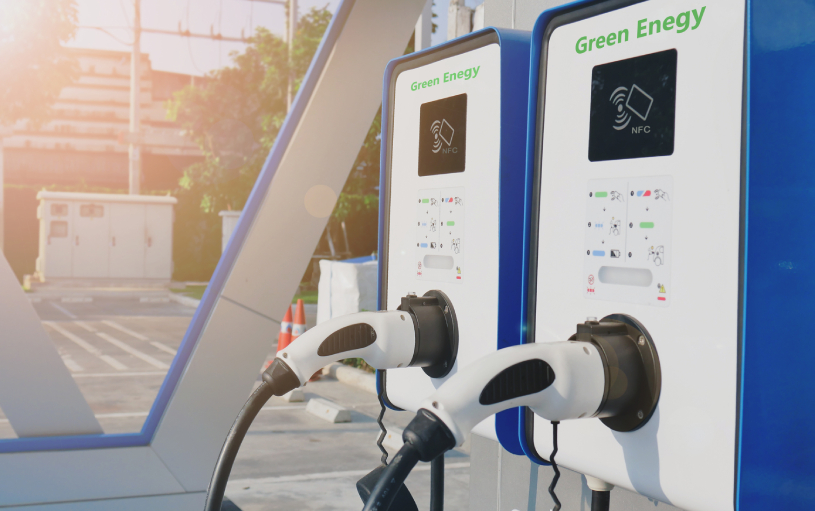
The success of electrified fleets depends heavily on reliable charging infrastructure. Public and private charging hubs, like those developed by Chargeaze, enable fleet operators to charge efficiently, minimize downtime, and integrate renewable energy sources. With smart charging management, fleets can also optimize energy usage and further lower operational expenses.
Electrifying fleets is more than just an environmental initiative—it’s a pathway to long-term competitiveness. As technology advances and charging networks expand, businesses that electrify their fleets will drive not only cost savings but also a cleaner, more resilient future of mobility.


